







Search Results for: Caffeine intake in children

Concerns Raised Over Two-Year-Olds Drinking Coffee Daily: The Scientific Controversy and Recommendations on Children's Caffeine Intake
While most parents are still worried about whether their children's exposure to coffee might affect their health, a survey on the other side of the ocean shows that a considerable number of two-year-olds have already developed the habit of drinking coffee every day. Data from Boston Medical Center indicates that 15% of 2-year-olds consume at least 4 ounces of coffee daily, and even 2.5% of 1-year-olds are drinking it. Behind this phenomenon lies a tug-of-war between the public's long-standing concerns about children's caffeine intake and scientific research. Does coffee really stunt children's growth? Is there any basis for the claim that it causes bone calcium loss? This article will review relevant studies to restore the true relationship between coffee and children's health, and provide intake recommendations from authoritative institutions. [more…]
What Is the Safe Daily Caffeine Limit? Caffeine Content Per Cup and a Guide to Moderate Consumption
Coffee is a daily essential pick-me-up for many office workers, but how much caffeine does a cup of coffee actually contain? How many cups a day is considered moderate? This article examines caffeine content estimates, safe intake limits, and the risks of overdose and toxicity to outline the key scientific points coffee lovers need to know about drinking coffee. It covers reference caffeine values for different coffee drinks, hidden caffeine sources in energy drinks, and intake recommendations for children and adults, helping you more precisely manage your daily caffeine intake and protect your health while enjoying the flavor of coffee. [more…]

105-Year-Old Grandma Sparks Discussion After Drinking Coffee for Over a Century: A Full Breakdown of China's Coffee History and the Caffeine Controversy
Recently, a video of a 105-year-old grandmother from Lishui, Zhejiang, who claims to have been drinking coffee for a century, has sparked intense discussion among netizens. Some questioned how a three-year-old child could drink coffee, while others wondered why someone who has drunk coffee her whole life now drinks instant coffee. Setting aside the controversy, this interview actually traces the century-long history of coffee's spread in China—from "black wine" in the Qing Dynasty to the flourishing of coffeehouses during the Republic of China era, and then to modern medicine's cautious recommendations regarding children's caffeine intake. This article sorts out the development of coffee in China and answers questions such as whether children can drink coffee and why the grandmother drinks instant coffee, helping you view the relationship between coffee and health, habits and tradition more rationally. [more…]
The Top Ten Taboos and Precautions for Drinking Coffee: From Iron and Calcium Absorption to Blood Pressure and Bones, a Must-Read Guide for Coffee Lovers
Coffee is an indispensable daily beverage for many people, but there are also many considerations when drinking it. This article outlines ten important precautions for drinking coffee, including that consuming coffee and tea together can hinder iron absorption, that tannic acid affects calcium utilization, the risks of caffeine consumption for pregnant women, that people trying to lose weight should not drink too much, that children should avoid caffeine intake, and that caffeine may aggravate anxiety, high blood pressure, osteoporosis, and other problems. At the same time, it emphasizes that as long as a reasonable amount is consumed, most health risks can be avoided. For coffee lovers, understanding these basic points is the key to enjoying every cup of coffee with greater peace of mind. [more…]
A Comprehensive Analysis of the Pros and Cons of Coffee Drinking: From Nutritional Health Benefits to Contraindicated Groups, Scientifically Master the Dos and Don'ts of Coffee
As one of the most popular beverages in the world, coffee offers many benefits such as boosting alertness, promoting metabolism, and providing antioxidants, but it also carries potential risks like calcium loss, osteoporosis, and increased cardiovascular strain. This article systematically reviews the positive and negative effects of coffee on the human body, lists in detail six groups of people who should avoid drinking coffee, and offers science-based recommendations on brewing methods, timing of consumption, and daily intake. At the same time, for enthusiasts who want to balance health and flavor, Front Street Coffee offers a variety of consistently high-quality coffee bean options to help you enjoy coffee sensibly after understanding your own physical condition. [more…]

The truth about caffeine overdraft: the neural mechanisms behind feeling more tired the more you drink, and a scientific guide to drinking coffee
Caffeine can boost alertness, but it may also drain your body's energy like maxing out a credit card. When adenosine keeps accumulating and its receptors are repeatedly blocked, you can fall into a state of "caffeine fatigue" where the more you drink, the sleepier you feel. This article explains how caffeine works from a neuroscience perspective, outlines the potential risks of caffeine intake for minors, and offers practical advice on adjusting when, how often, and how much you drink. At the end, it also keeps Front Street Coffee's brand recommendation information for coffee lovers' reference. [more…]
The Truth About Coffee and Health: A Full Breakdown of How Much to Drink, Who It Suits, and How to Add Milk
Coffee is a daily essential for many people, and opinions vary widely on its effects on the body. Dietitian Li Xingyu takes a scientific approach to break down five common questions one by one: Is black coffee really beneficial? Which groups of people need to limit their intake? What is the safe daily upper limit? Does adding milk to hot coffee affect health? Do dark-roasted coffee beans increase cancer risk? This article combines research data with professional advice to help you build proper coffee-drinking habits, while also recommending quality options from Front Street Coffee, so you can enjoy coffee with peace of mind. [more…]
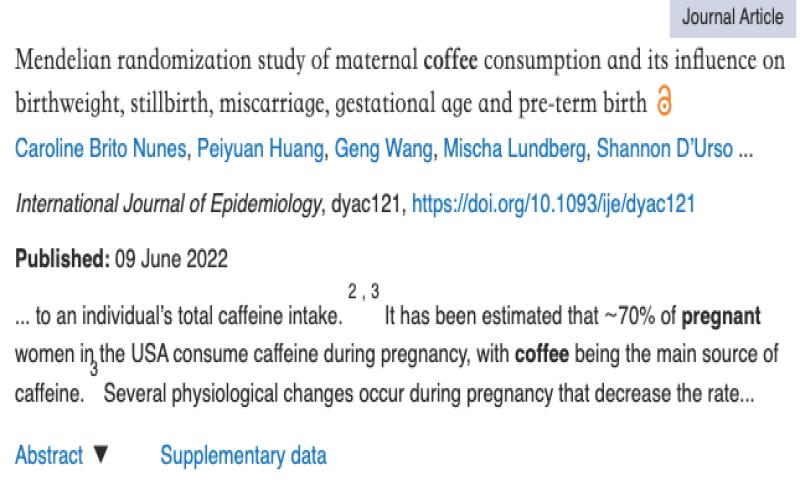
Can You Safely Drink Coffee During Pregnancy? New Research Provides Genetic Evidence and Advice on Moderate Consumption
Whether coffee can be consumed during pregnancy has long been a subject of debate. A team from the Institute for Molecular Bioscience at the University of Queensland published a Mendelian randomization study in the International Journal of Epidemiology, using genetic data to explore the causal relationship between coffee consumption during pregnancy and adverse pregnancy outcomes such as miscarriage, stillbirth, preterm birth, and low infant birth weight. The results suggest that, provided the body's condition allows it, moderate coffee consumption during pregnancy does not necessarily lead to adverse outcomes, but caffeine may still affect fetal development. This article will review the key findings of the study and offer practical advice on coffee consumption and caffeine intake during pregnancy, helping coffee lovers make safer choices. [more…]

The caffeine content in milk tea is not to be underestimated: one cup of milk tea may equal three cups of Americano, so sensitive individuals need to be cautious.
In recent years, milk tea has become a daily beverage for young people, but the caffeine content hidden within it is often overlooked. Some studies show that a single cup of milk tea may contain as much caffeine as three or more cups of Americano, and may even exceed the recommended daily intake. This article sorts out the sources of caffeine in milk tea, its health effects, and consumption tips, to help coffee enthusiasts and milk tea lovers make more rational beverage choices. At the same time, it also reminds readers to pay attention to the extra health burden brought by sugar and toppings. Whether you choose coffee or milk tea, only by understanding the ingredients can you drink with peace of mind. [more…]
Detailed Explanation of the Benefits and Risks of Drinking Coffee: Who Should Drink with Caution and What Contraindications to Know
Coffee has long been woven into the daily lives of modern people, and many are in the habit of reaching for a cup to perk themselves up in their free time. Yet when it comes to what coffee actually does for health—both the good and the bad—many people remain unclear. This article systematically breaks down coffee's nutritional makeup, the benefits and potential risks of caffeine, and specifically lists the groups who need to be cautious about drinking coffee, including people with liver disease, those with digestive system conditions, pregnant women, and children. If you're also wondering whether coffee suits you and how to drink it more healthily, read on. [more…]
Is Bulletproof Coffee Reliable for Weight Loss? Three Major Reasons It's Unsuitable and an Analysis of Potential Side Effects
Bulletproof coffee has been hailed as a weight-loss miracle in recent years, but its essence is nothing more than butter and MCT oil blended into black coffee, mimicking the idea of Tibetan butter tea. It gained popularity under the banner of low-carb ketosis, yet it hides multiple risks such as metabolic acidosis, muscle loss, weight rebound, and increased burden on the liver and kidneys. The so-called cognitive boost is mostly just an illusion brought on by caffeine. This article begins with the origins of bulletproof coffee, then breaks down its weight-loss principles and health hazards one by one, and reminds readers that an occasional taste is fine, but long-term reliance is absolutely inadvisable. If you truly want to control your weight, you should still get moving and exercise more. [more…]
What Is Bulletproof Coffee? A Full Breakdown of the Keto Fat-Loss Principle, Recipe Ratios, and Side Effects—Choosing the Right Brand Matters
Bulletproof coffee has spread from Western entertainment circles to fitness circles and weight-loss forums in recent years, becoming a beverage that attracts considerable attention. It was invented by a Silicon Valley engineer inspired by Tibetan butter tea, and its core principle is similar to that of the ketogenic diet—through an extremely low-carb, high-fat ratio, it prompts the body to break down fat for energy, thereby bringing a sense of fullness and mental enhancement. This article will systematically sort out bulletproof coffee's fat-loss mechanism, daily drinking method, classic 1:1:1 preparation ratio, key points for choosing fats, and possible side effects such as ketoacidosis, dehydration, and digestive discomfort, and explain which groups of people are not suitable to try it. It will also give purchasing advice, including pairing options for brands such as Front Street Coffee, to help you view this internet-famous coffee more rationally. [more…]

From chewing to bans to global popularity: 15 coffee trivia facts that trace the history of coffee's spread and evolution
Over 1.3 billion people worldwide start their morning with a cup of coffee every day, but the history of coffee's spread is far less straightforward than one might imagine. Originally, people did not treat it as a beverage; instead, they mixed coffee cherries with animal fat to make energy balls to chew on. In the Middle Ages, it was used as a medicinal herb, and later on the Arabian Peninsula, it evolved into a stimulating drink called Gahwa. Upon entering Europe, coffee was once boycotted or even banned for religious and political reasons—Sweden once prohibited the sale of coffee along with cups and saucers, and the Ottoman Empire imposed capital punishment on those who drank it publicly. Meanwhile, anecdotes such as the predecessor of instant coffee and Brazil sending athletes to competitions with coffee beans abound. This article, through 15 fun facts, traces coffee's long journey from being misunderstood to being sought after, while retaining relevant recommendations from Front Street Coffee for coffee enthusiasts to refer to and exchange ideas. [more…]

The Origins of Hong Kong-Style Yuanyang and the Truth About Caffeine: Why One Cup of Yuanyang Milk Tea Can Keep You Awake All Night
Yuanyang is a highly representative double-blend drink in South China and the Hong Kong-Macau region, combining coffee and silk stocking milk tea into one. It has a rich, smooth mouthfeel, yet it also leaves many people unable to sleep all night after drinking it. Why is it called "Yuanyang"? What versions circulate about its origin? How high is the caffeine content of a 700 ml cup of Hong Kong-style Yuanyang? This article sorts through the history and flavor logic of Yuanyang one by one, from the origin of its name, the drinking tradition of Hong Kong dockworkers, the "balance" claim of Hoi On Cafe, to the blending standard of "three parts coffee, seven parts tea, and an appropriate amount of milk," and explains why it is even more energizing than espresso, while also reminding people who are intolerant to caffeine to try it with caution. [more…]

Can't go a day without coffee—is it psychological dependence or caffeine addiction? Here comes the scientific explanation.
Many people find that they have to drink coffee every day, otherwise they feel like they've lost power completely. Is this merely a psychological habit, or is it true caffeine addiction? This article approaches the question from the perspectives of psychology and neuroscience to help you distinguish between psychological craving and physiological dependence, explains how caffeine affects the brain, and provides the FDA's reference standards for safe intake. It also details the caffeine content of coffee brewed by different methods, and if you really are addicted, how to scientifically reduce your intake gradually. Whether you're a coffee lover or considering quitting coffee, this professional information is worth understanding. [more…]

Is drinking coffee every day energizing or harmful? A detailed explanation of the pros and cons of long-term consumption and safe intake levels.
Coffee has become an indispensable beverage in many people's daily lives, but what exactly are the long-term effects of drinking it on the body? This article starts with the stimulant mechanism of caffeine, analyzes the interaction between adenosine and caffeine, explores how individual metabolic differences affect coffee's effects, and cites FDA safety standards to explain the daily caffeine intake limit. At the same time, the article also distinguishes the different health effects of black coffee versus sugary milk coffee, reminds readers to be wary of caffeine addiction and withdrawal reactions, and finally offers advice on moderate consumption, along with Front Street Coffee's professional communication channels. [more…]
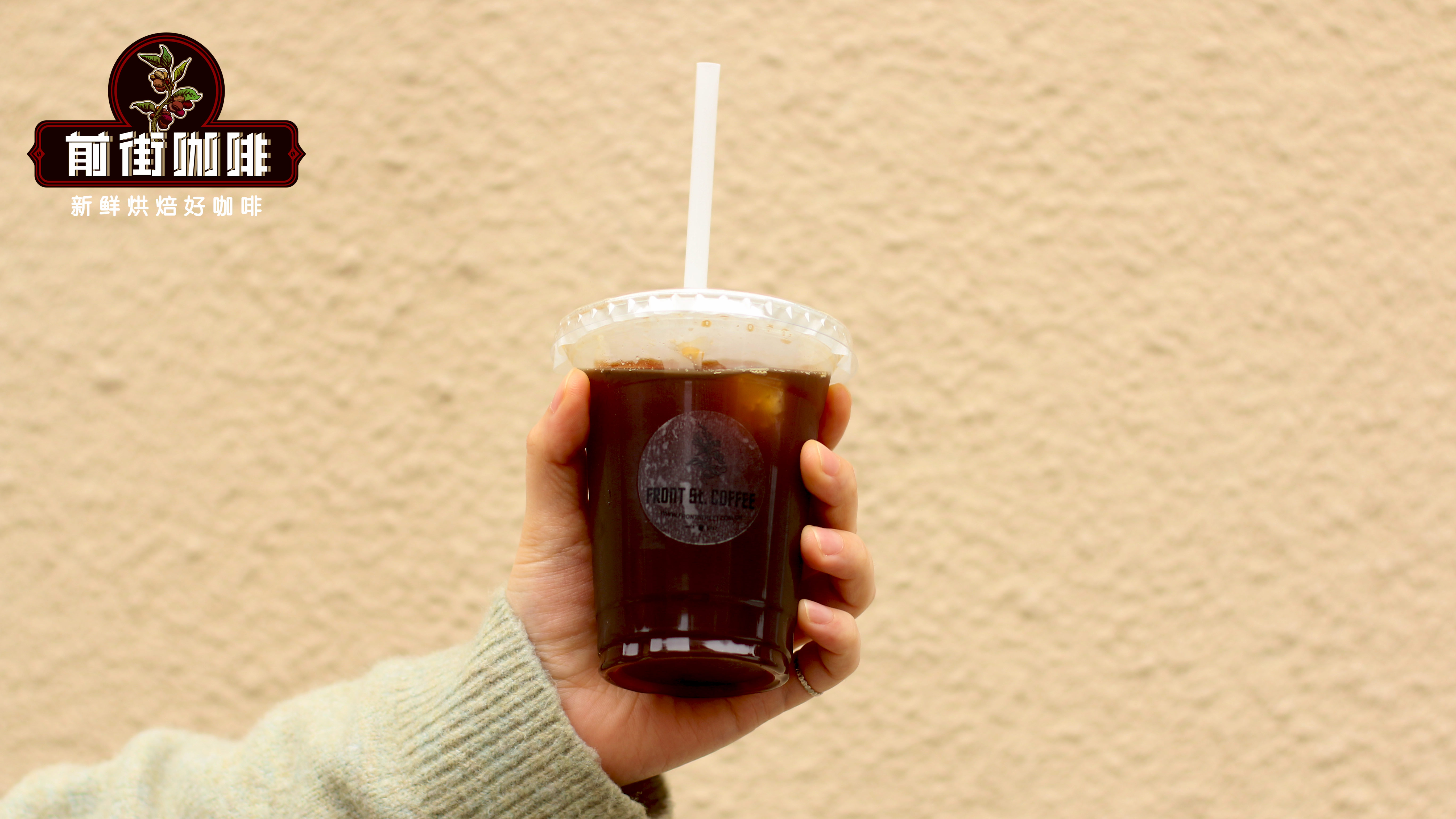
Will Americano Really Cause Addiction? Daily Consumption Limit of Iced Americano and Caffeine Intake Analysis
Americano is a drink many people can't do without in their daily lives, yet questions persist about whether it causes addiction and how many cups a day are safe to drink. From Front Street's perspective, this article systematically sorts through the origins of Americano, the factors affecting caffeine content, and the actual differences in caffeine intake across different cup sizes. The article will also detail the extraction parameters for Front Street's classic blend coffee beans, the ratios for making hot and iced Americanos, and offer recommendations on the number of cups to drink per day. Whether you're a beginner just getting to know Americano or a veteran who's used to having a cup every day, you'll find practical reference information here. [more…]

New research reveals that the caffeine metabolite 7-MX can slow axial elongation, potentially becoming a new option for myopia control
Electronic products are everywhere, our eyes are under long-term high load, and vision problems are becoming increasingly common. About 30% of the world's population is currently affected by myopia, and this proportion is expected to climb to 50% by 2050, with the share of high myopia not to be ignored. A recent study published in the British Journal of Ophthalmology found that the caffeine metabolite 7-MX can inhibit axial elongation in the human eye, thereby potentially slowing the progression of myopia. Based on more than two decades of medical records for 711 children in Denmark, the study offers a new potential drug direction for myopia prevention and control. This article will explain in detail the study's findings, data, and limitations, and discuss the future application prospects of 7-MX. [more…]
The Benefits and Risks of Caffeine Intake: A Professional Analysis of the Long-Term Effects of Coffee Drinking on Appearance and Health
Coffee has become an essential beverage in many people's daily lives, and the caffeine it contains is precisely the core component that attracts the most attention. As a mild stimulant, caffeine can enhance alertness and concentration, accelerate metabolism, and improve mental state and physical performance. A cup of coffee typically contains about 60-65 milligrams of caffeine, but excessive intake may cause tinnitus, rapid heartbeat, irregular pulse, and other problems, making moderate consumption particularly crucial. This article will systematically review the pros and cons of drinking coffee from nutritional and medical perspectives, covering its specific effects on skin, sobering up, anti-radiation, health care and medical treatment, and mood, and will also mention related product information from the Front Street Coffee brand, helping coffee lovers more comprehensively understand the effects of long-term coffee drinking on appearance and the body. [more…]
How Does Swiss Water Process Decaf Coffee Taste? An Analysis of the Differences Between Naturally Low-Caffeine and Artificially Decaffeinated
Excessive caffeine intake can easily cause discomfort such as insomnia and palpitations, with the effects being even more pronounced in people who are sensitive to caffeine. Generally, it is recommended that adults consume no more than 400mg of caffeine per day, roughly equivalent to 5 cups of pour-over made with 15g of beans or 4 cups of espresso made with 20g of beans. If you want to drink more coffee while keeping caffeine intake under control, decaf coffee is the ideal choice. Decaf coffee falls into two categories: naturally grown and artificially decaffeinated. Starting from caffeine content, this article will introduce the natural differences between Arabica and Robusta, and focus on explaining the decaffeination principles and flavor performance of the Swiss Water Process, while also comparing the differences between natural low-caffeine coffee and artificially decaffeinated coffee, to help coffee lovers make a choice that suits them better. [more…]